sustainable development Goals (SDGs)
SPPAP and Sustainable Development Goals (SDGs)
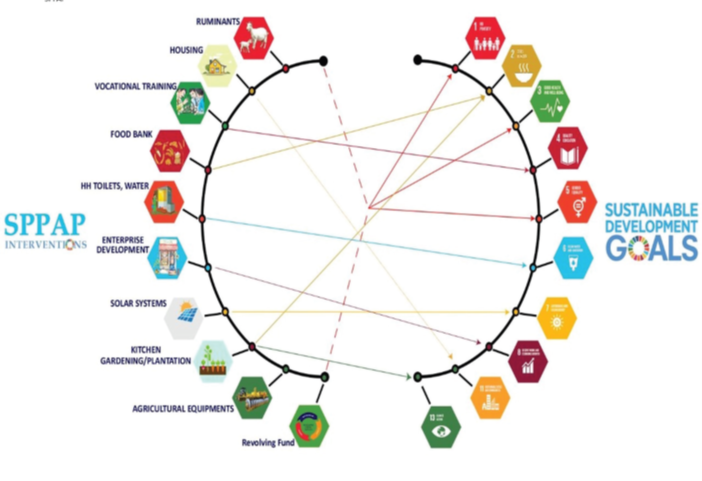
The SPPAP directly impacts consumption expenditure through its various initiatives by increasing beneficiaries’ purchasing power, leading to food security and poverty reduction. The programme highlights indirect impacts, including community empowerment, gender equality, etc. The programme has been contributing to multiple sustainable development goals (SDGs), the broader objective of which is to reduce poverty by promoting soft and physical assets, employment, and agricultural productivity. Thus, the programme’s possible impacts are discussed in diagram.
Impact on Food Security
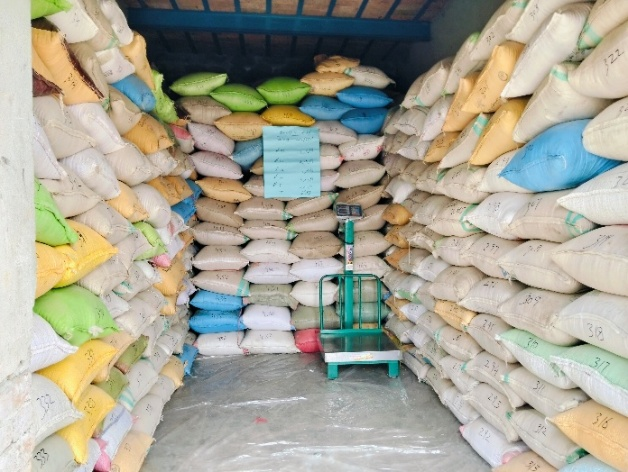
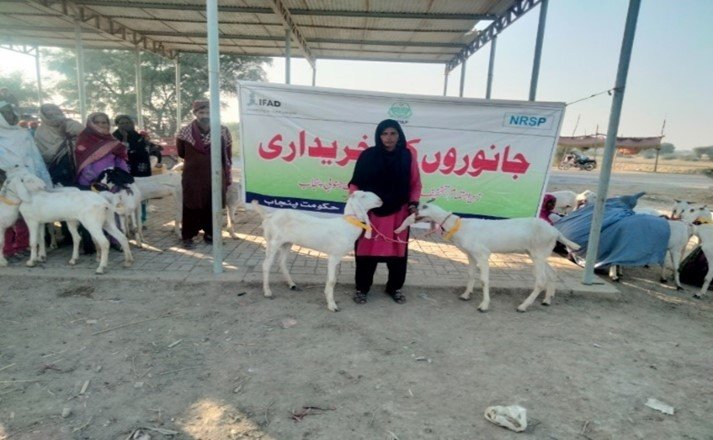
In Pakistan, statistics on malnutrition, food insecurity, and inflation are alarming. The provision of small ruminants could promote the households’ well-being and nutrition, particularly those who cannot afford to buy milk. Moreover, the multiplier effect of goats may help them generate income by raising goats’ kid sand selling them in markets to break the cycle of poverty. The borrowing of wheat from the food bank also helps vulnerable households mitigate hunger by smoothing the consumption of food intake and empowering the community to manage the problem by themselves.
Impact on Purchasing Power
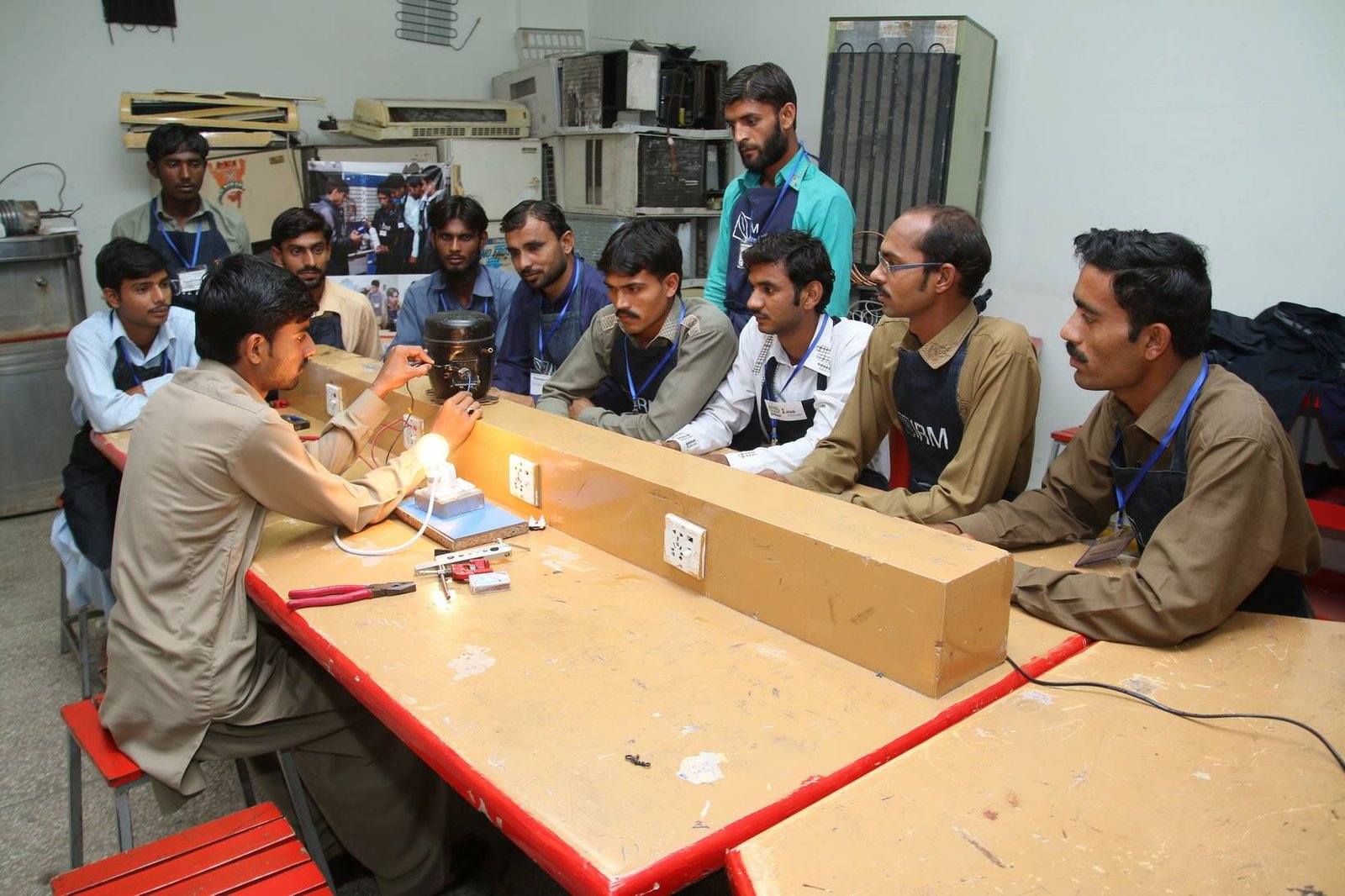
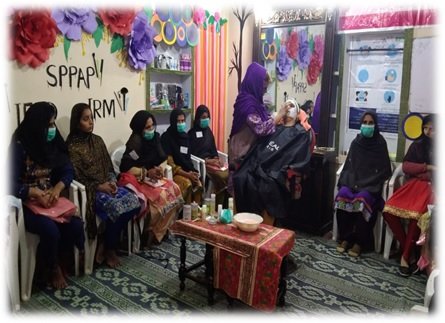
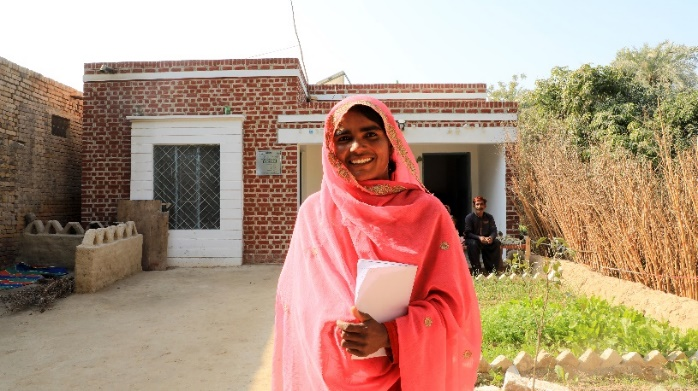
The SPPAP’s economic empowerment and poverty reduction initiatives, like the provision of vocational training, goat package, and house provision, have
significantly contributed to increasing the purchasing power of the households.
These initiatives, which provide people with skills and productive assets to make extra money, are instrumental in improving the well-being of the marginalised groups and increasing their purchasing power, thereby demonstrating the positive impact of the program.
Impact on Livelihood and Productive Investment
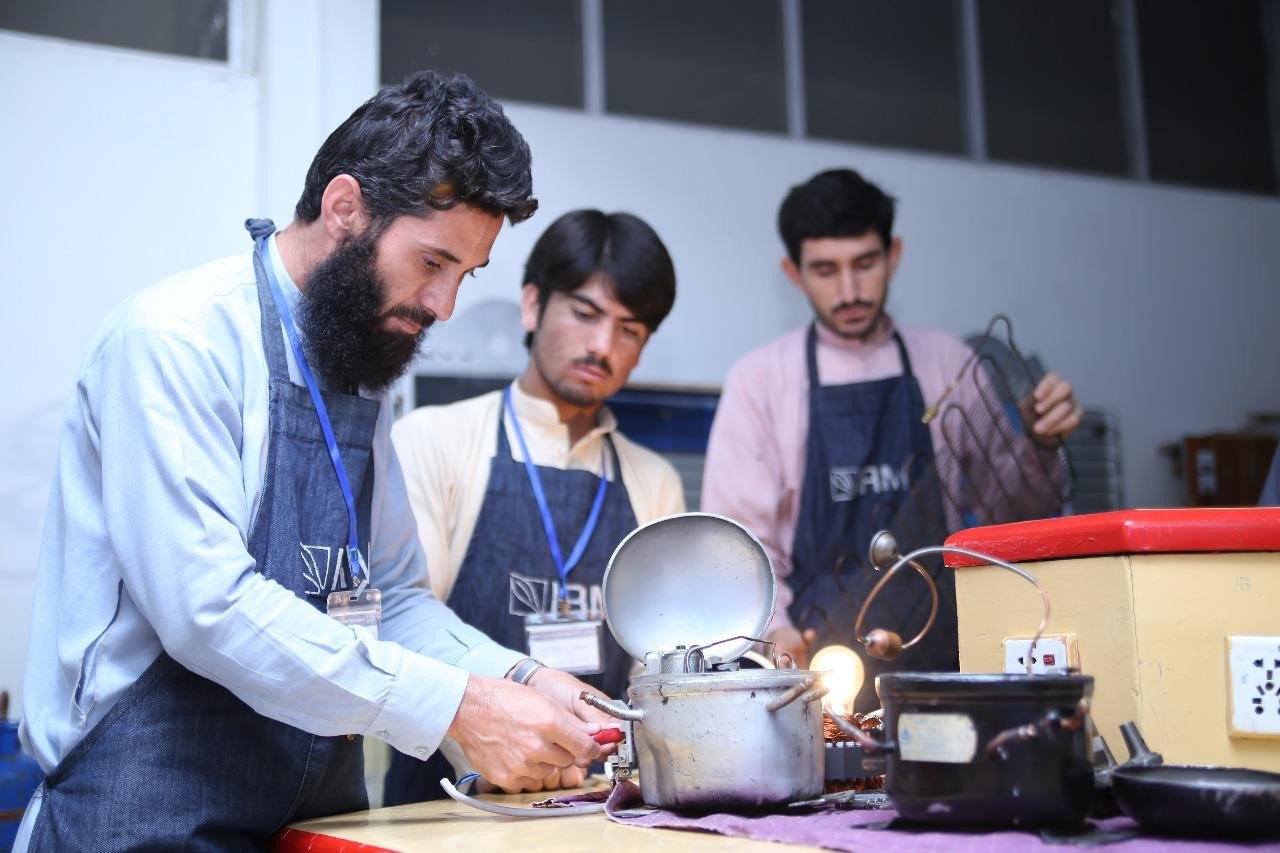
The programme enhances the skills of individuals by assisting poor individuals to stand on their feet and graduate from poverty. These skills are given to both males and females. However, these expectations are subject to various
assumptions:
- Individuals must have sufficient value to meet their basic needs and save money for investment or future risk management.
- Beneficiaries must have financial access to banks.
- They must have sufficient knowledge to make productive investments.
Impact on Women’s Empowerment
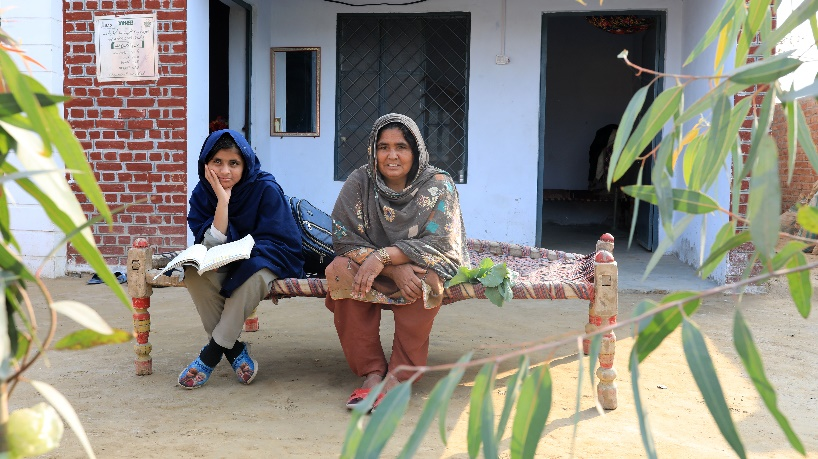
The programme strongly emphasises women’s empowerment by granting most of the assets to women beneficiaries only. The objective of the programme was to provide empowerment and hope to women to promote gender equality by giving
them a chance to women at prosperity and transform their lives. However, there is still a need for consistent efforts to achieve this objective because fulfilling
basic needs does not mean there’s gender equality. Even gender inequality between male and female children can be observed in the home, which is due to
their parents’ discrimination between male and female children.
Impact on Education and Health
The purpose of the programme was to ensure the well-being of marginalised communities. There was no direct focus on education, but, indirectly, it also covered this area to some extent. Providing interventions to women indirectly impacted the education sector as women prioritise education and health the most. According to the goat beneficiaries, the amount they consumed on milk purchasing was saved, which was now used for children’s education. The provision of houses reduces child labour as before owning a house, they had to send their children to work for the people in whose house they lived. The provision of the road helped children to go to school even in lousy weather, since before the road was built, people could not send their children to school due to muddy roads during the rainy season. However, these initiatives only help to increase the enrollment levels in schools, no concrete steps are being taken toward quality education. In the long term, such intervention would improve quality aspects as well.